Tambola Housie: India's Favorite Social Gaming Phenomenon
Tambola Housie, often simply called "Housie" in India, is a beloved bingo variant that has become deeply ingrained in Indian social culture. Combining elements of luck, strategy, and community, this game has evolved from its British bingo origins into a uniquely Indian experience enjoyed by millions across the country.
History and Origins of Tambola Housie
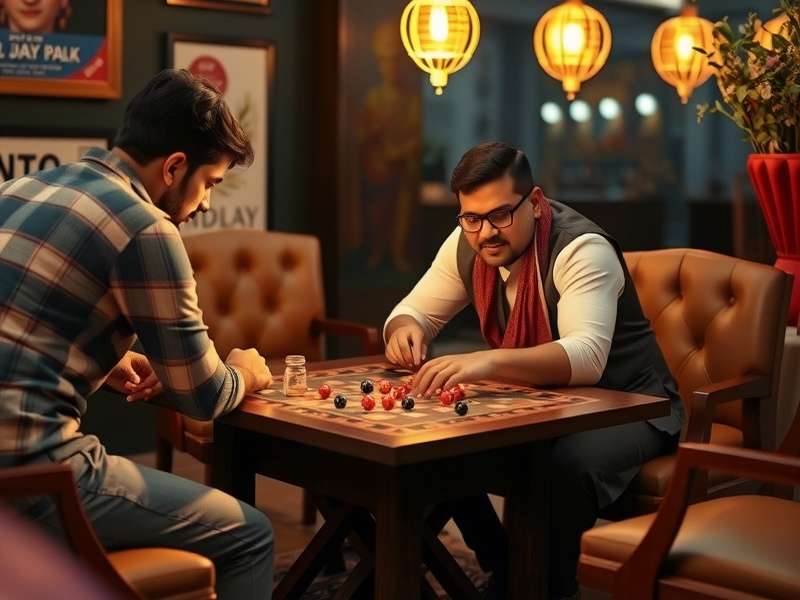
The roots of Tambola Housie trace back to the British colonial era in India. When British soldiers introduced bingo to Indian troops during World War I, it quickly adapted to local preferences. The name "Housie" likely comes from the British military term for housing quarters, where these games were often played.
Over decades, the game transformed into its current form, incorporating Indian cultural elements:
- Hindi and regional language terminology
- Festive themes tied to Indian holidays
- Localized prize structures
- Social customs around gameplay
How to Play Tambola Housie
At its core, Tambola Housie follows similar mechanics to Western bingo but with distinct Indian variations:
Basic Gameplay
Players purchase tickets containing 15 numbers arranged in a 3x5 grid (though variations exist). A caller randomly draws numbers from 1 to 90 and announces them. Players mark matching numbers on their tickets.
Winning Patterns
Unlike traditional bingo, Tambola Housie features multiple winning patterns:
- Early Five: First five numbers on any ticket
- Four Corners: Top left, top right, bottom left, bottom right
- Top Line: All numbers in the first row
- Middle Line: All numbers in the middle row
- Bottom Line: All numbers in the bottom row
- Full House: All 15 numbers marked
Special Indian Rules
Several rules make Tambola Housie uniquely Indian:
- Joker Numbers: Some versions allow players to choose a "joker" number that can represent any called number
- Cutting: When a player gets a winning pattern, they shout "Cut!" to claim their prize
- House Rules: Each playing group may have specific customs for prize distribution
Popular Indian Versions of Tambola Housie
India's linguistic and cultural diversity has spawned numerous regional variations:
1. Hindi Tambola
The most widespread version, played with Hindi number names (Ek for 1, Do for 2, etc.). Numbers are called in both numerical and word forms.
2. Marathi Tambola
Features Marathi number terminology (Ek, Dhon, Tin) and often incorporates Maharashtrian festival themes.
3. Tamil Nadu Style
Uses Tamil number names (Onru, Irandu, Moonru) and may include references to Tamil culture in prize categories.
4. Punjabi Tambola
Known for its high-energy gameplay and Punjabi music playing during games. Prize categories often include food items.
5. Digital Tambola
The most popular modern version, played through apps with features like:
- Automated number calling
- Multiplayer online rooms
- Virtual prizes and currency
- Social chat features
India Download Statistics
As of 2024, digital versions of Tambola Housie have been downloaded over 15 million times in India across major app stores. The game sees its highest engagement during:
- Diwali season (35% increase)
- Holi festival (25% increase)
- Weekend evenings (40% of total playtime)
Indian Player Strategies and Tips
Seasoned Indian Tambola Housie players have developed unique strategies:
1. Ticket Selection
Many players believe in "lucky" ticket patterns:
- Tickets with numbers forming religious symbols
- Numbers containing birth dates or auspicious digits
- Avoiding "unlucky" sequences (like 13 in some regions)
2. Multi-Ticket Play
Advanced players often purchase 3-5 tickets simultaneously to increase winning chances. However, this requires:
- Quick number marking skills
- Good hearing to catch calls
- Budget management (as each ticket costs money)
3. Social Listening
In group settings, players often:
- Listen for regional accents in number calling
- Watch others' reactions to estimate probability
- Use call-and-response techniques to confirm numbers
Indian Player Community and Culture
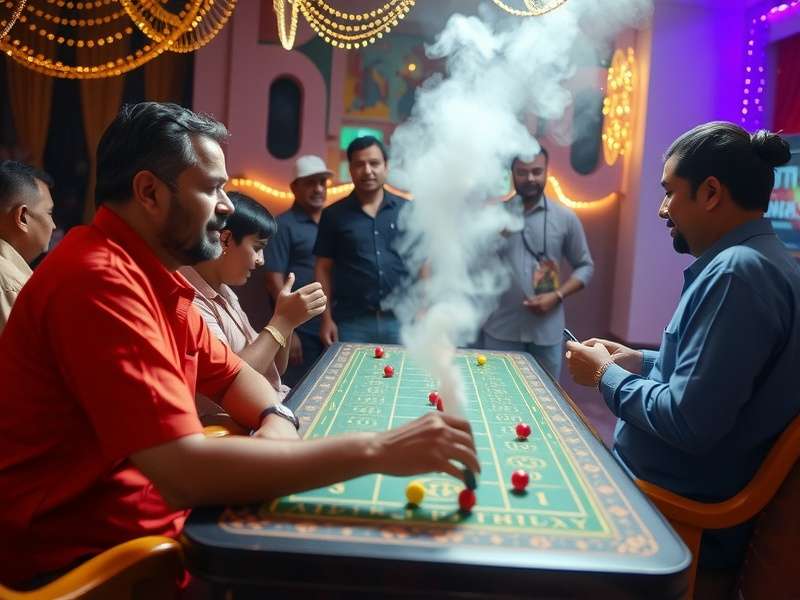
Tambola Housie has fostered a vibrant community culture in India:
Player Reviews and Feedback
Indian players consistently praise:
- "The social aspect - it brings families together"
- "The thrill of nearly completing a pattern"
- "Customizable themes for festivals"
Common criticisms include:
- "Some online versions have too many ads"
- "Difficulty in hearing calls in noisy environments"
- "Want more regional language options"
Localization Efforts
Developers have responded to Indian feedback with:
- 22 official Indian language versions
- Festival-themed game skins
- Regional prize categories (like gold coins in South India)
- Family-friendly content filters
Indian Cultural Activities Around Tambola Housie
The game has become central to many Indian social activities:
1. Diwali Tambola Nights
During Diwali, families and communities organize special Tambola nights with:
- Gold coin prizes
- Sweet distributions
- Traditional music
- Fireworks displays after games
2. Office Parties
Corporate India has embraced Tambola Housie for:
- Team building exercises
- Festival celebrations
- Annual day events
- Virtual team engagements
3. College Festivals
At Indian universities, Tambola competitions feature:
- Themed rounds (Bollywood, Cricket, etc.)
- Student-designed tickets
- Cash prizes and internships
- Live number calling by student DJs
Technology and Innovation in Tambola Housie
Indian developers have introduced several tech innovations:
1. Voice Recognition
Apps now understand multiple Indian accents for number calling, supporting:
- Hindi
- Bengali
- Tamil
- Telugu
- Marathi
2. AR Tambola
Augmented reality versions project the game board onto physical surfaces using smartphone cameras.
3. Blockchain Integration
Some premium versions use blockchain for:
- Transparent prize distribution
- Secure ticket purchases
- NFT-based collectible tickets
Frequently Asked Questions About Tambola Housie
Q: Is Tambola Housie legal in India?
A: Yes, when played for entertainment. Gambling laws vary by state, but social games with small stakes are generally permitted.
Q: How is Tambola different from Western bingo?
A: Key differences include multiple winning patterns, regional language support, and stronger social components.
Q: Can I play Tambola Housie with family?
A: Absolutely! The game is extremely popular for family gatherings, especially during festivals.
Q: What's the best strategy for beginners?
A: Start with 1-2 tickets, focus on hearing numbers clearly, and play in relaxed environments to build skills.